Planning a loft conversion, rear extension or basement excavation in Esher or Surrey? The Party Wall Act 1996 may well apply to your project — and ignoring it can lead to serious legal and financial headaches. Here's everything you need to know.
Key Takeaways
- The Party Wall Act 1996 covers works to shared walls, party structures, and excavations near neighbouring buildings.
- You must serve a party wall notice on affected neighbours before starting qualifying works.
- Your neighbours can consent or dissent — if they dissent, a party wall award is required.
- The building owner typically pays for the party wall surveyor's fees.
- Ignoring the Act can result in injunctions, legal costs and significant delays to your project.
What Is the Party Wall Act 1996?
The Party Wall etc. Act 1996 is a piece of legislation that governs building works affecting shared walls, party structures and excavations near neighbouring properties. Its purpose is to protect both the building owner carrying out works and the adjoining owners whose properties might be affected.
The Act applies across England and Wales. It's one of those pieces of legislation that catches homeowners completely off guard — I've spoken to dozens of people in Esher and Surrey who've started loft conversions or extensions without any idea it existed. By the time they call us, they're often in legal trouble with their neighbours.
The good news is that when the process is managed properly from the start, disputes are rare. Our party wall surveying service exists precisely to make the process smooth, fair and efficient for everyone involved.
When Does the Party Wall Act Apply?
The Act applies in three main situations:
- Works to a party wall or party structure: Cutting into, raising, underpinning, demolishing or rebuilding a shared wall — such as a wall between two terraced houses or a floor between flats.
- New walls on or at the boundary: Building a new wall astride or immediately adjacent to the boundary line between two properties.
- Excavations near neighbouring buildings: Digging within 3 metres of a neighbouring building to a depth greater than the neighbour's foundations, or within 6 metres if the excavation intersects a line drawn downwards at 45 degrees from the bottom of the neighbour's foundations.
In practice, this means the Act most commonly comes into play for loft conversions (works to the party wall between houses), rear extensions (excavations near boundaries), basement conversions (deep excavations) and structural alterations to dividing walls between flats.
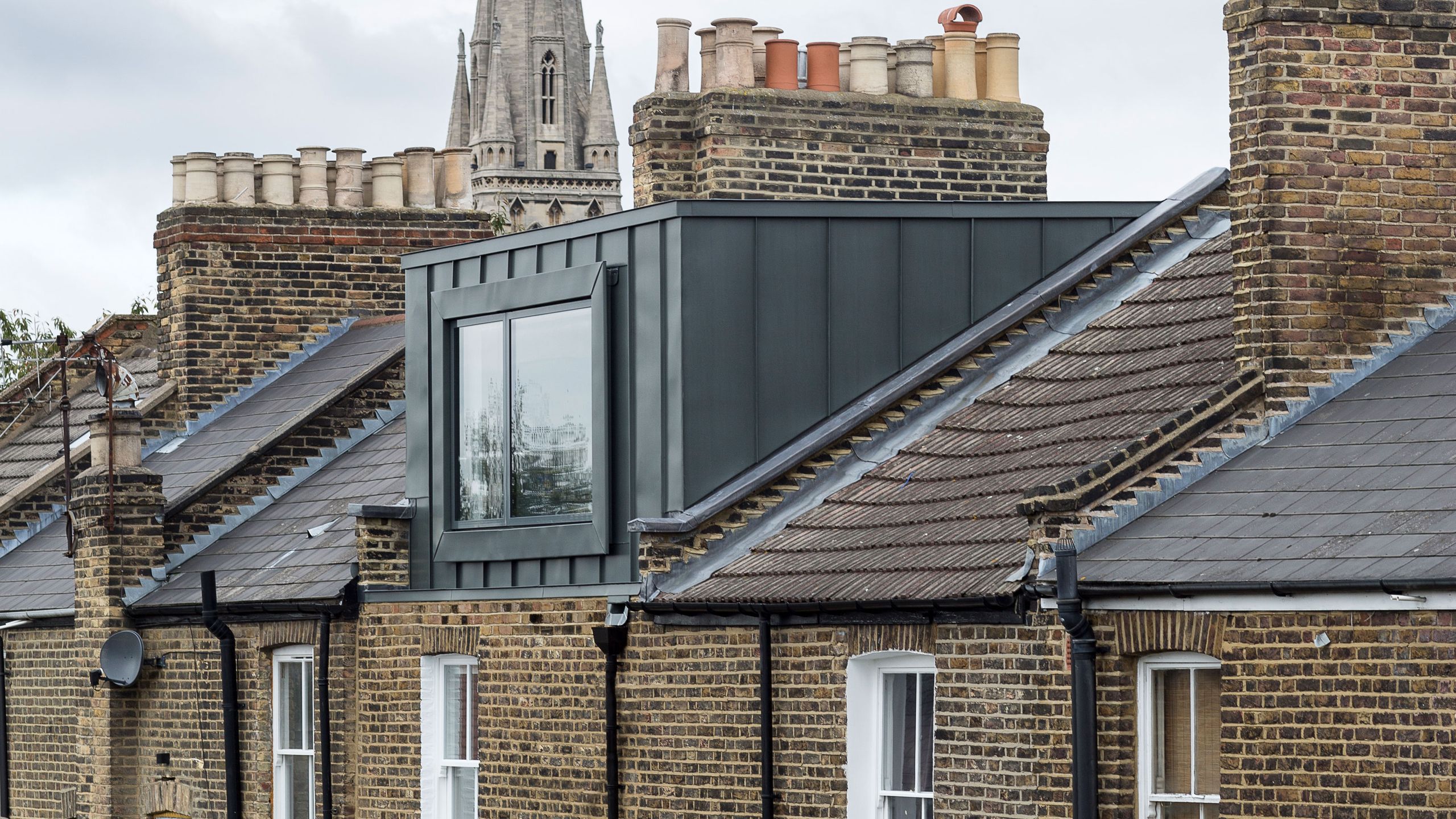
Loft conversions involving a shared wall are one of the most common triggers for the Party Wall Act 1996 in residential properties across Surrey.
The Party Wall Process: Step by Step
Here's how the party wall process works in practice — using a typical loft conversion in a Surrey semi-detached house as the example:
- Serve notice: As the building owner, you must serve a party wall notice on your adjoining neighbours at least two months before starting structural works (or one month for new walls at the boundary). The notice must be in writing and describe the works proposed.
- Neighbour responds: Your neighbour has 14 days to respond. They can: (a) consent in writing — in which case no surveyor is needed; (b) dissent and agree to use your surveyor as agreed surveyor; or (c) dissent and appoint their own party wall surveyor.
- Surveyors appointed: If the neighbour dissents, both parties appoint surveyors (which can be the same agreed surveyor, or separate surveyors). If the neighbour doesn't respond within 14 days, a dispute is deemed to have arisen and surveyors must be appointed.
- Schedule of condition: Before works start, a schedule of condition is prepared — a photographic and written record of the neighbour's property at the boundary. This protects both parties in case of any damage claim later.
- Party wall award: The surveyors prepare a party wall award — a legal document that sets out the rights and obligations of both parties, how the works are to be carried out, and what happens if damage occurs.
- Works begin: Once the award is agreed and signed, works can begin in accordance with its terms.
"The party wall process sounds complicated, but in most straightforward cases it's actually very smooth. The key is starting early — the moment you know you want to do work that might affect a shared wall, pick up the phone." — Tom Henderson, Party Wall Surveyor, Esher Surveyors
What Happens If You Ignore the Party Wall Act?
This is the question that brings most people to us in a panic. If you carry out qualifying works without serving the required party wall notice, your neighbour can apply to the court for an injunction to stop the works — at your cost. They can also claim damages for any harm caused to their property.
In practice, many disputes that could have been resolved for a few hundred pounds in surveyor fees end up costing tens of thousands in legal fees, delays and remedial works — simply because the building owner didn't follow the correct process from the start.
I dealt with a case in Claygate in 2023 where a homeowner had begun a rear extension without serving notice. The neighbours obtained an injunction, works were halted for three months, and the legal costs on both sides ran into five figures. The whole situation could have been avoided for an upfront cost of less than £1,000.
Who Pays for Party Wall Surveying?
In most cases, the building owner (the person carrying out the works) pays the party wall surveyor's fees — including the fees of the adjoining owner's surveyor, if they appoint one separately. The rationale is that the building owner is the party whose works are affecting the neighbour.
There are exceptions — for example, if the neighbour makes unreasonable requests or causes unnecessary delays, the award can apportion costs differently. But as a general rule, if you're planning works, budget for the party wall process as part of your project costs.
Do You Need a Party Wall Surveyor?
Strictly speaking, you don't need a surveyor if your neighbours consent to the works in writing. In that case, the Act is satisfied and works can proceed.
However, if there's any doubt, or if your neighbours dissent, a qualified party wall surveyor is essential. Our party wall surveyors in Esher act for both building owners and adjoining owners across the Elmbridge borough and wider Surrey. We handle everything — from serving the initial notice to preparing the award — so you can get on with your project.
Need a Party Wall Surveyor in Surrey?
Whether you're planning works or have received a notice from a neighbour, our party wall surveyors are here to help. The first conversation is always free.
Speak to a Party Wall SurveyorFrequently Asked Questions About the Party Wall Act
Internal works that don't affect a shared wall or structure are not covered by the Party Wall Act. For example, replacing internal plasterwork or fitting a new kitchen doesn't trigger the Act. But if you're cutting into a shared chimney breast, removing a load-bearing wall that forms part of a party structure, or doing anything structural at the boundary, it likely does apply.
If your neighbour consents immediately, the process can be complete within a couple of weeks. If they dissent and a formal award is required, allow four to eight weeks from serving notice to having the award in place. We always try to move as quickly as possible, particularly when our clients have contractors booked.
If your neighbour dissents or is being obstructive, the formal party wall process actually protects you as much as them. Once you've served notice, your neighbour's options are legally limited — they cannot simply block your works if they are lawful. The party wall award process provides a structured resolution that is binding on both parties. Our experienced party wall surveyors handle disputes calmly and efficiently.
Yes — there is no legal requirement for a surveyor to serve the notice on your behalf. However, the notice must contain specific information and be served correctly. If it is defective, the entire process may need to start again. We recommend having a surveyor serve the notice to avoid costly errors and delays.