Damp is one of the most common defects found by Esher Surveyors during property inspections across Surrey. Whether you are buying a Victorian terrace, a 1930s semi, or a modern flat, damp can cause serious structural damage and significant health risks if left untreated. This guide explains the three main types of damp, how to spot them, and what treatment options are available.
Why Does Damp Matter to Property Buyers in Surrey?
Surrey's older housing stock – particularly the Victorian and Edwardian properties that dominate towns like Esher, Cobham, and Weybridge – is particularly susceptible to damp problems. Original damp-proof courses may have failed, solid brick walls allow water penetration, and poor ventilation in converted or modernised interiors creates condensation problems.
Left unaddressed, damp can lead to:
- Timber rot affecting floors, joists, and roof structures
- Plaster failure and wall decoration damage
- Structural deterioration in severe cases
- Mould growth linked to respiratory health problems
- Reduced property value and mortgage refusals
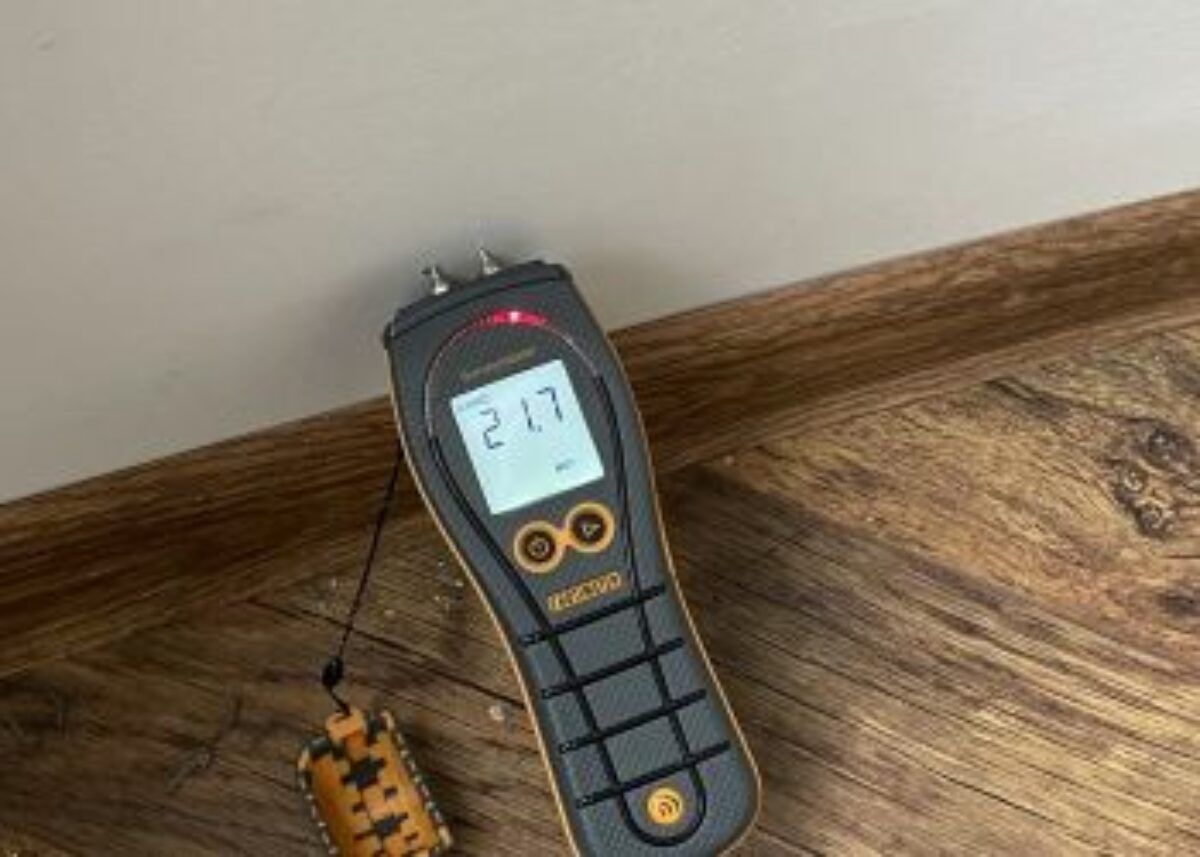
During a RICS Level 2 or Level 3 survey, your Esher Surveyors team will use professional moisture meters to check wall, floor, and ceiling moisture levels throughout the property.
The Three Main Types of Damp
1. Rising Damp
Rising damp occurs when groundwater travels upward through porous masonry by capillary action. It is most common in older properties where the original damp-proof course (DPC) has deteriorated or was never installed.
Key signs:
- A horizontal tide mark on internal walls, typically no higher than 1 metre
- White crystalline salt deposits (efflorescence) on brickwork or plaster
- Peeling wallpaper or paint at low level
- Crumbling plaster at skirting board level
- Musty or earthy smell at low level
- High moisture readings on a professional meter below 1 metre height
Important note: Rising damp is often misdiagnosed. Condensation and penetrating damp are far more common. Always get a professional assessment before committing to expensive treatment. Esher Surveyors will confirm whether rising damp is genuinely present before recommending any remediation.
2. Penetrating Damp
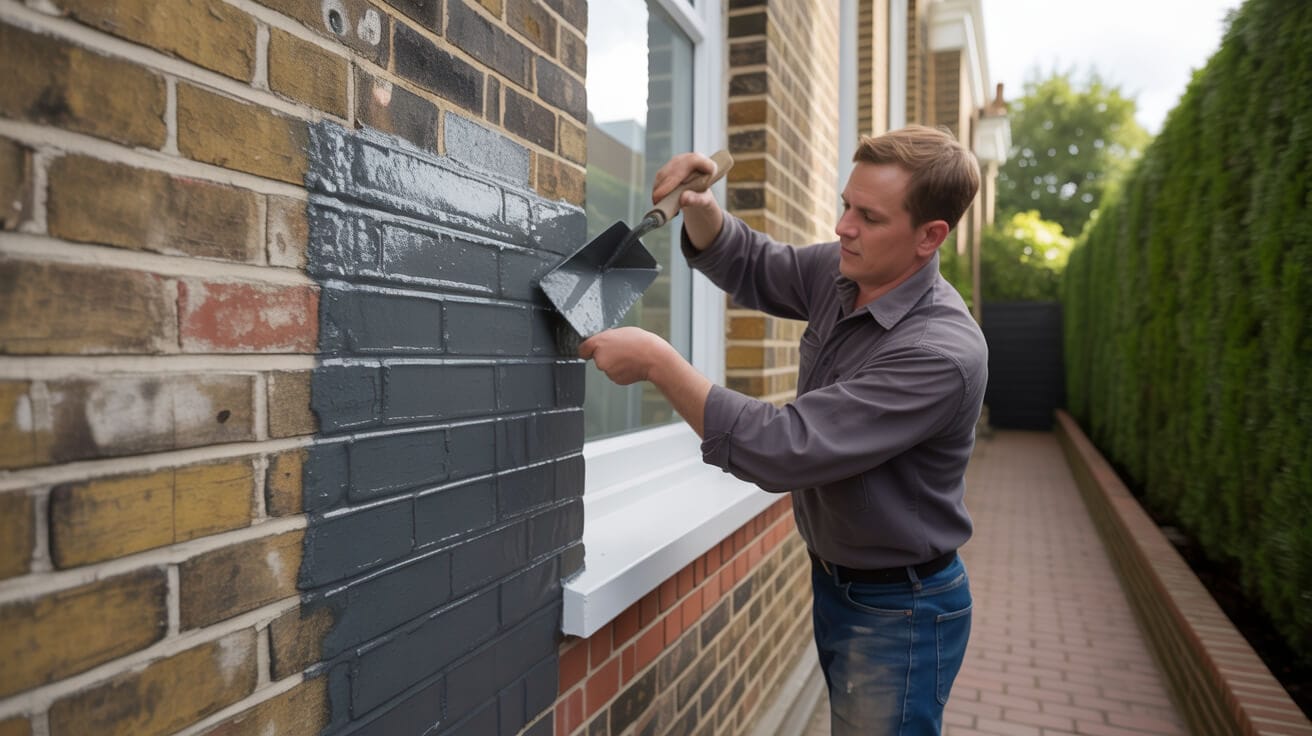
Penetrating damp is caused by water entering the building through the fabric of the structure – typically through defective pointing, cracked render, failed flashings, blocked gutters, or damaged roof coverings. Unlike rising damp, it can appear at any height and often presents as patches or staining that appear in wet weather.
Key signs:
- Damp patches that appear or worsen after rain
- Staining around windows, chimneys, or roof junctions
- Water marks on ceilings below flat roofs or valleys
- Damp internal walls on the windward (weather-facing) side of the building
- Deteriorated mortar joints visible externally
Treatment: Identify and rectify the source of water ingress. This may involve repointing, repairing flashings, replacing gutters, or re-rendering. Once the source is fixed, affected plaster and decoration can be addressed.
3. Condensation
Condensation is the most common form of damp in UK homes and is caused by moisture in warm air settling on cold surfaces. It is particularly prevalent in modern, well-insulated homes with restricted ventilation, but also in older properties with inadequate heating.
Key signs:
- Black mould spots on walls, ceilings, and window frames
- Streaming windows in the morning
- Musty smell, particularly in bedrooms and bathrooms
- Damp patches in cold corners – especially behind furniture
- Peeling wallpaper or paint on external walls
Treatment: Improved ventilation (extractor fans, trickle vents, positive pressure ventilation systems), consistent background heating, and targeted insulation of cold bridges. Condensation is a lifestyle and building physics issue – not a structural defect – and rarely requires major repair work.
Watch Out for Misdiagnosis
The damp remediation industry has historically over-diagnosed rising damp in order to sell expensive treatment packages. Research by RICS and independent surveyors suggests that up to 75% of so-called "rising damp" cases are actually condensation or penetrating damp. Always get an independent RICS surveyor's opinion before paying for chemical DPC injection.
Damp and Timber Decay
Damp conditions create the perfect environment for wood-rotting fungi and timber-boring insects. Two key concerns for Surrey property buyers are:
Dry Rot (Serpula lacrymans)
Dry rot is the most destructive timber decay fungus in the UK. Despite its name, it requires some moisture to establish (around 20% moisture content). Once established, it can spread rapidly through masonry, brickwork, and plaster, destroying structural timbers far beyond the visible area. Treatment is extensive and costly, involving removal of all affected timber, sterilisation of masonry, and installation of new treated replacement timbers.
Wet Rot
Wet rot is more common than dry rot and requires sustained high moisture levels. It causes timber to soften, darken, and crack along the grain. Treatment focuses on eliminating the moisture source and replacing affected timbers. It does not spread through masonry.
Woodworm
Woodworm infestations (caused by various wood-boring beetle species) are common in older Surrey properties, particularly in roof spaces and sub-floor timbers. Active infestations show fresh circular exit holes and fine bore dust (frass). Treatment is via insecticidal spray.
Damp Treatment Costs in Surrey
| Treatment Type | Typical Cost Range | Timescale |
|---|---|---|
| Chemical DPC injection (single wall) | £500 – £1,500 | 1–2 days |
| Replastering after DPC (per room) | £800 – £2,000 | 3–5 days |
| Penetrating damp – repointing | £200 – £1,000 | 1–3 days |
| Dry rot treatment (small area) | £1,500 – £5,000+ | 1–2 weeks |
| Woodworm treatment (roof space) | £300 – £800 | 1 day |
| Positive pressure ventilation system | £400 – £800 | 1 day |
What Happens When a Surveyor Finds Damp?
When Esher Surveyors identifies damp during your survey, we will:
- Record moisture meter readings and document the exact location and extent of dampness
- Assess the likely cause based on the pattern, height, and location of the damp
- Classify the severity using the RICS condition rating system (1, 2, or 3)
- Recommend appropriate further investigations if the cause cannot be confirmed visually
- Provide guidance on likely treatment options and indicative costs
- Advise on whether specialist damp and timber surveys are warranted
If damp is identified in your survey, you can use this information to negotiate the purchase price or request that the seller carries out remedial works before exchange.
"The surveyor found damp in three walls that the seller had painted over. We used the survey report to get £12,000 off the asking price. Incredibly helpful."
Preventing Damp: Top Tips for Surrey Homeowners
- Keep gutters, downpipes, and drains clear of debris
- Inspect roof coverings and flashings annually
- Check and maintain mortar pointing on external walls
- Ensure adequate ventilation in bathrooms, kitchens, and utility rooms
- Keep heating at a consistent background temperature (18°C minimum)
- Check that air bricks and sub-floor vents are clear and unblocked
- Ensure ground levels outside are lower than internal floor levels
- Get a professional damp survey if you notice any warning signs
Frequently Asked Questions About Damp
Signs include a horizontal tide mark on walls below 1 metre, white salt deposits on brickwork, peeling wallpaper at low level, and a musty smell. A RICS surveyor using a professional moisture meter can confirm whether moisture levels are elevated and diagnose the cause accurately.
Costs vary significantly by type. Penetrating damp repairs (e.g. repointing) can cost as little as £200–£500. Chemical DPC injection for rising damp plus replastering costs £1,500–£3,500 per wall. Dry rot treatment can cost £1,500–£10,000 depending on extent. Always get multiple quotes and an independent survey first.
Condensation is a form of damp caused by moisture in warm air condensing on cold surfaces. It is the most common type of damp in UK homes and is usually managed through improved ventilation, heating, and insulation rather than expensive chemical treatments.
Significant damp can cause a mortgage lender to withhold funds or require evidence of remediation before completion. Serious structural damp or dry rot may result in a mortgage being refused altogether. A RICS survey will identify damp before you make a formal offer, giving you the opportunity to negotiate or walk away.
Start with a RICS Level 2 or Level 3 survey from an independent surveyor like Esher Surveyors. This gives you an objective assessment of damp issues. If specialist investigation is needed (e.g. for suspected dry rot or extensive rising damp), your surveyor will recommend a specialist firm. Be cautious of free surveys offered by damp treatment companies – these are sales tools, not independent professional advice.
Yes, unfortunately. Sellers sometimes paint over damp patches, replace affected plaster, or position furniture to conceal dampness. This is why a professional RICS survey using moisture meters is essential – meters detect elevated moisture levels even beneath new decoration.
Concerned About Damp in a Property You're Buying?
Esher Surveyors provides thorough damp assessments as part of all Level 2 and Level 3 surveys across Surrey. Contact us today for expert advice.
Book a Survey Level 3 Building Survey