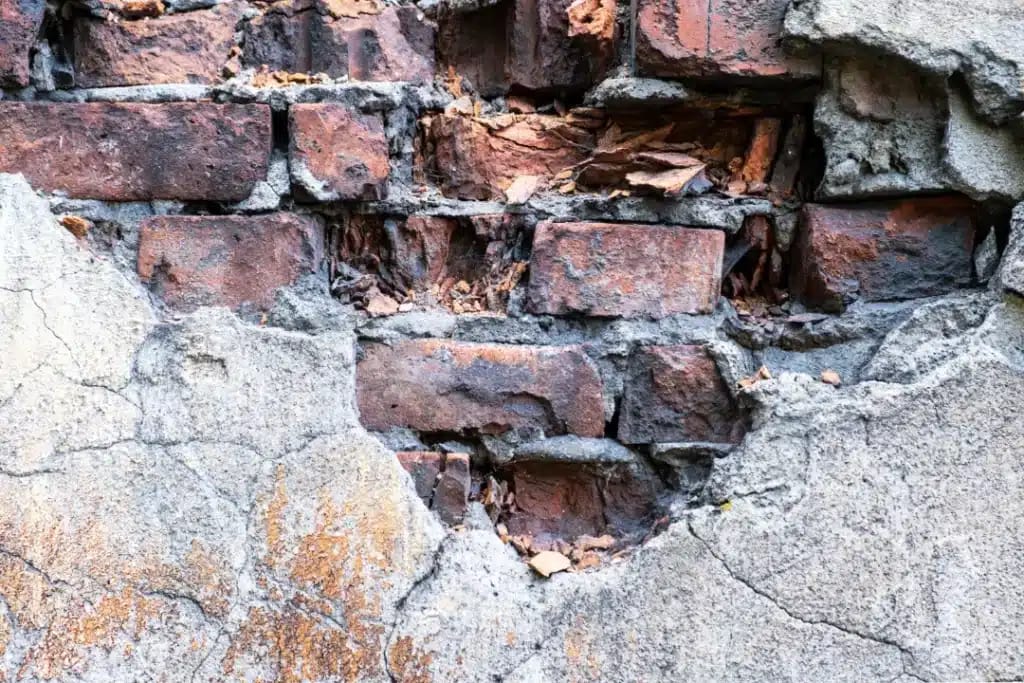
Subsidence is one of the most feared words in property ownership – and for good reason. Esher Surveyors regularly identifies signs of structural movement during surveys across Surrey, and understanding what subsidence is, what causes it, and how to respond can save you from very expensive mistakes. Whether you are buying, selling, or already living in a property with cracks, this guide will tell you everything you need to know.
What Is Subsidence?
Subsidence occurs when the ground beneath a property's foundations sinks or shifts, causing the structure above to move downward unevenly. Unlike normal settlement (which affects all buildings gradually and uniformly over time), subsidence involves differential movement – some parts of the foundation move more than others, causing cracking, distortion, and in severe cases, structural instability.
Subsidence is distinct from heave (where the ground moves upward, often due to tree removal or clay expansion) and settlement (gradual, uniform compression of soil under a new building's weight).
What Causes Subsidence in Surrey?
Surrey sits on a variety of soil types that can be particularly prone to movement. The most common causes of subsidence in our area include:
1. Tree Roots and Vegetation
This is the single most common cause of subsidence in Surrey. The county's beautiful mature trees – oaks, willows, poplars, and limes – have extensive root systems that extract significant volumes of moisture from clay soils. As clay dries out, it shrinks and the ground subsides. Trees within 10–15 metres of a building can pose a risk, with large species like oak and poplar posing risk at even greater distances.
Surrey's London Clay geology makes this particularly problematic. In periods of dry weather, clay shrinkage can cause rapid subsidence. Resolution typically involves tree removal or root barrier installation rather than underpinning.
2. Clay Shrinkage and Swelling
Clay soils expand when wet and shrink when dry. This seasonal volumetric change – particularly pronounced during prolonged dry summers – causes cyclical movement in foundations. Buildings on shallow foundations over London Clay are most vulnerable.
3. Leaking Drains and Pipes
Water leaking from underground drainage or water supply pipes can wash fine soil particles away from beneath foundations (a process called wash-out or soil erosion). This creates voids beneath the foundation, which eventually cause settlement. Damaged drains are a common but often overlooked cause of subsidence.
4. Mining and Historical Activity
Some parts of Surrey have historic chalk mines, sand extraction, or other underground workings that can cause ground instability. If you are buying in certain areas of Surrey, a mining search is recommended as part of your conveyancing process.
5. Poorly Compacted Made Ground
Properties built on land that has been filled, levelled, or built up over time can settle as the fill material compresses over decades. This is common on former garden sites, quarries, and land that has been regraded.
How to Spot the Signs of Subsidence
Not every crack in a building means subsidence. Buildings naturally develop hairline cracks as they settle and as materials expand and contract with temperature changes. The key is identifying which cracks are significant. During a RICS survey, Esher Surveyors will assess cracks systematically using the BRE Digest 251 classification system:
| Category | Crack Width | Description |
|---|---|---|
| Category 0 | <0.1 mm | Hairline – no action required |
| Category 1 | 0.1–1 mm | Fine cracks – minor redecoration |
| Category 2 | 1–5 mm | Slight – need monitoring |
| Category 3 | 5–15 mm | Moderate – investigation required |
| Category 4 | 15–25 mm | Severe – structural repair needed |
| Category 5 | >25 mm | Very severe – major works needed |
Signs that cracks may be subsidence-related:
- Diagonal cracks radiating from corners of window and door openings
- Cracks that are wider at the top than the bottom (differential settlement)
- Cracks that appear suddenly and grow noticeably over weeks or months
- Cracks extending through brickwork from inside to outside
- Doors and windows sticking, binding, or jamming
- Floors that slope or feel springy
- Gaps appearing between walls and ceilings or floors
- Visible tilting or bowing of walls
Most Cracks Are NOT Subsidence
The vast majority of cracks found in UK properties are caused by thermal movement, settlement, or drying shrinkage – not subsidence. A Category 2 or lower crack that has been stable for years is rarely a cause for concern. However, any crack at Category 3 or above, or any crack that is actively growing, warrants professional assessment by a RICS-qualified surveyor.
What Happens When Subsidence Is Identified?
If Esher Surveyors identifies potential subsidence during your survey, we will recommend a course of action based on the severity and likely cause:
- Structural engineer's report: For Category 3+ cracks, a structural engineer will carry out a detailed investigation, often including crack monitoring over a period of months.
- Drain survey: CCTV drain survey to rule out leaking drains as a cause.
- Tree survey: Arboricultural assessment if trees are suspected to be causing the movement.
- Insurance notification: If the property is already yours, notify your buildings insurer immediately.
- Monitoring: Installation of crack monitors or tell-tales to track movement over time.
Subsidence Remediation Options
Tree Removal or Management
If a tree is the cause, removal or severe pruning may be sufficient – particularly if the building is on clay. However, removing a tree from clay soil can cause heave (the opposite problem) as the clay rehydrates and expands. A structural engineer will advise on the appropriate approach.
Drain Repair
If leaking drains are the cause, repairing or replacing the defective drainage is often all that is needed. This is typically the most cost-effective solution.
Underpinning
For severe or ongoing subsidence where the foundation itself needs strengthening, underpinning may be required. Traditional mass concrete underpinning involves excavating and pouring concrete beneath the existing foundation. Modern mini-pile systems and resin injection can be less disruptive and more cost-effective for many situations.
| Remediation Method | Typical Cost | Best For |
|---|---|---|
| Tree removal | £500 – £3,000 | Tree root-induced clay shrinkage |
| Drain repair/replacement | £500 – £5,000 | Drain washout subsidence |
| Traditional underpinning | £10,000 – £50,000+ | Severe foundation failure |
| Mini-pile underpinning | £8,000 – £30,000 | Limited access or deep soils |
| Resin injection | £5,000 – £20,000 | Voids or loose soils |
Subsidence and Property Insurance
A property with a history of subsidence is harder and more expensive to insure. When buying a property that has had subsidence, you should:
- Request all previous structural engineer reports and insurance claims from the seller
- Check that the subsidence has been fully resolved and monitored over time
- Contact specialist insurers who deal with non-standard risk properties
- Obtain a written opinion from a structural engineer confirming the property is stable
- Ensure your solicitor investigates all relevant history through conveyancing searches
"Esher Surveyors spotted diagonal cracking above the front door that the estate agent dismissed as 'just settlement'. The Level 3 survey led to a structural engineer's report confirming active subsidence. We renegotiated £25,000 off the price."
Should You Buy a Property with Subsidence?
This depends on several factors. Historic, stable, resolved subsidence need not be a deal-breaker – but you need cast-iron evidence that the problem has been fully remediated and has not recurred. Active or unresolved subsidence is a different matter entirely and requires very careful consideration.
Esher Surveyors can help you understand the full picture, recommend appropriate further investigations, and give you the information you need to make a confident, informed decision.
Frequently Asked Questions About Subsidence
Key signs include diagonal cracks radiating from corners of windows and doors (wider at the top), cracks that appear quickly and grow, doors or windows sticking or jamming, and visible structural distortion. Not all cracks mean subsidence – a RICS surveyor will carry out a full assessment to determine the cause and severity.
Yes. A history of subsidence significantly affects insurance. Premiums rise substantially and some standard insurers decline cover. Specialist non-standard risk insurers can provide cover, but at a premium. A structural engineer's report confirming stability and resolution of the original cause helps when approaching insurers.
Underpinning costs in Surrey range from around £8,000 for smaller modern methods to £50,000 or more for extensive traditional underpinning of a large property. Many subsidence cases are resolved without underpinning through tree removal or drain repair at far lower cost.
It depends on whether the subsidence is active or historic and resolved. Many mortgage lenders will lend on properties where subsidence has been fully remediated and is stable, supported by structural engineer's reports and monitoring records. Active or unresolved subsidence will generally result in a mortgage being refused.
Structural engineers typically monitor cracks using tell-tale gauges over a period of 6–12 months to determine whether movement is active or has ceased. Seasonal monitoring over at least one full annual cycle (ideally two) provides the best evidence of stability.
Parts of Surrey sit on London Clay, which is one of the most shrinkable clay soils in the UK. Combined with the county's abundance of mature trees, this creates conditions where subsidence risk is higher than in many other parts of England. That said, many Surrey properties on these soils have stood for over 100 years without significant problems.
Worried About Cracks or Structural Movement?
Esher Surveyors provides expert structural assessments and Level 3 Building Surveys across Surrey. Get professional advice before you commit to a purchase.
Book a Survey Level 3 Building Survey