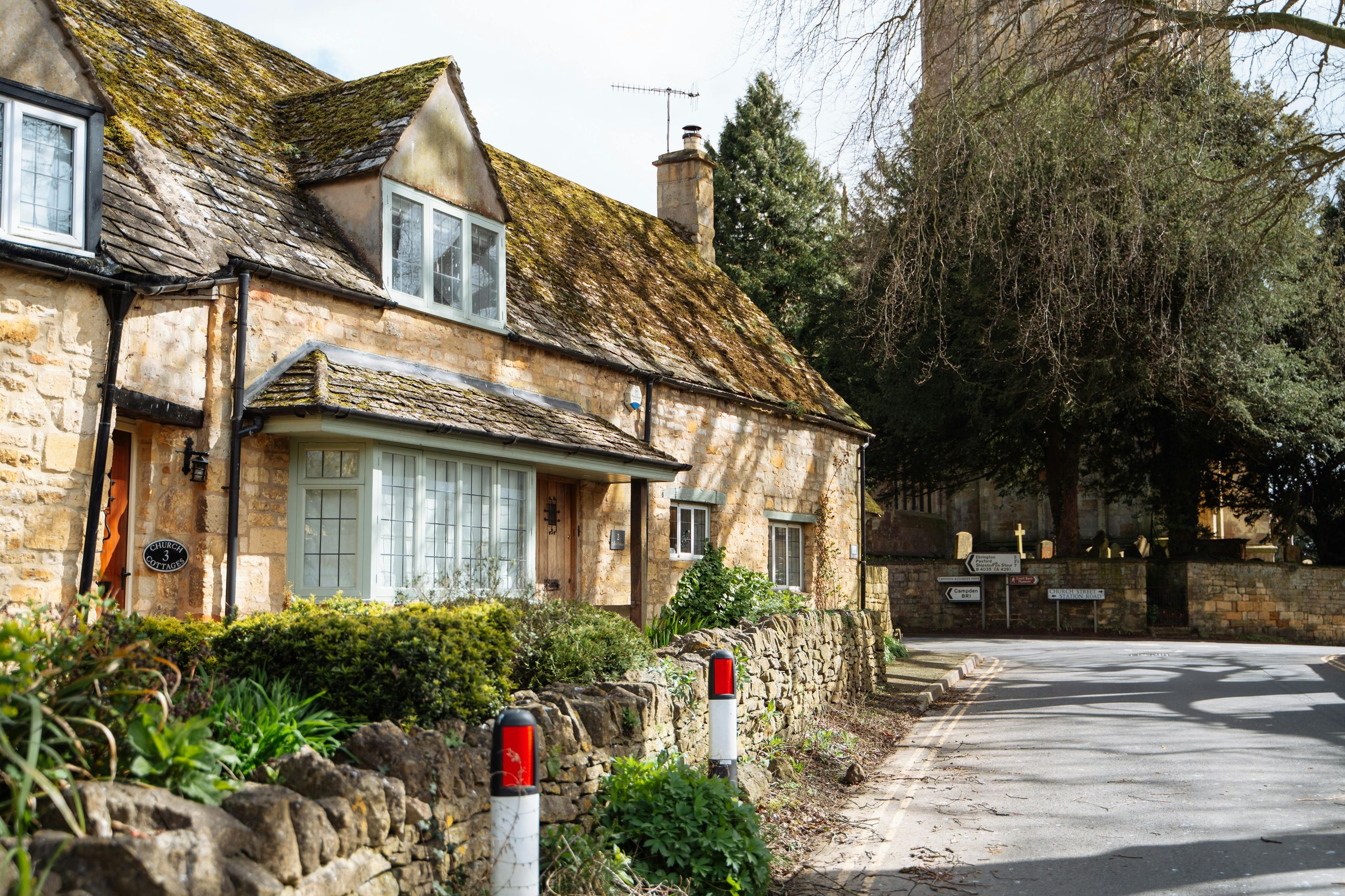
Owning a listed building in Surrey is a privilege – but it comes with significant responsibilities. Esher Surveyors has extensive experience surveying listed and heritage properties across the county, and we know that buying one without the right professional advice can lead to serious financial and legal consequences. This guide covers everything you need to understand about listed buildings – from survey requirements to repair obligations and planning consents.
What Is a Listed Building?
A listed building is one that has been placed on the Statutory List of Buildings of Special Architectural or Historic Interest. In England, the list is maintained by Historic England. Listed buildings are given statutory protection because of their special architectural or historic interest – they represent the best examples of our built heritage and cannot be altered, extended, or demolished without specific consent.
Surrey has a rich stock of listed buildings, from medieval farmhouses and Georgian manor houses to Victorian railway stations and Edwardian Arts and Crafts homes. Many are concentrated around towns with strong heritage character, including Esher, Cobham, and the villages of the Surrey Hills.
Listed Building Grades Explained
In England, listed buildings are classified into three grades:
| Grade | Description | % of Listed Buildings |
|---|---|---|
| Grade I | Buildings of exceptional interest – the finest examples | ~2% |
| Grade II* | Particularly important buildings of more than special interest | ~6% |
| Grade II | Nationally important buildings of special interest | ~92% |
The vast majority of listed buildings that come to the residential market in Surrey are Grade II. However, the same fundamental protections and obligations apply regardless of grade.
Why Standard Surveys Are Not Sufficient for Listed Buildings
A standard RICS Level 2 HomeBuyer Survey is not appropriate for a listed building. The RICS 2021 guidance is clear that Level 2 surveys are designed for conventional, modern construction. Listed buildings are typically constructed from traditional materials using techniques that require specialist knowledge to assess accurately.
Key issues that require specialist understanding include:
- Solid wall construction: Pre-Victorian and many Victorian properties have solid brick or stone walls without a cavity. These breathe differently to modern cavity construction and require different maintenance approaches.
- Lime mortar: Traditional lime mortars are softer and more permeable than modern cement mortars, and must be replaced like-for-like. Repointing with hard cement causes accelerated deterioration.
- Original timber frames: Many older Surrey properties have timber frames that require specialist assessment.
- Traditional roofing materials: Clay peg tiles, stone slates, and lead roofs require specialist repair and sourcing of appropriate materials.
- Unauthorised alterations: Previous owners may have carried out alterations without listed building consent – creating legal and financial liabilities for new owners.
What a Listed Building Survey Should Cover
Esher Surveyors' Level 3 Building Survey for listed properties specifically addresses:
- Full structural assessment of original and altered elements
- Assessment of traditional materials and construction methods
- Identification of any unauthorised alterations (works carried out without listed building consent)
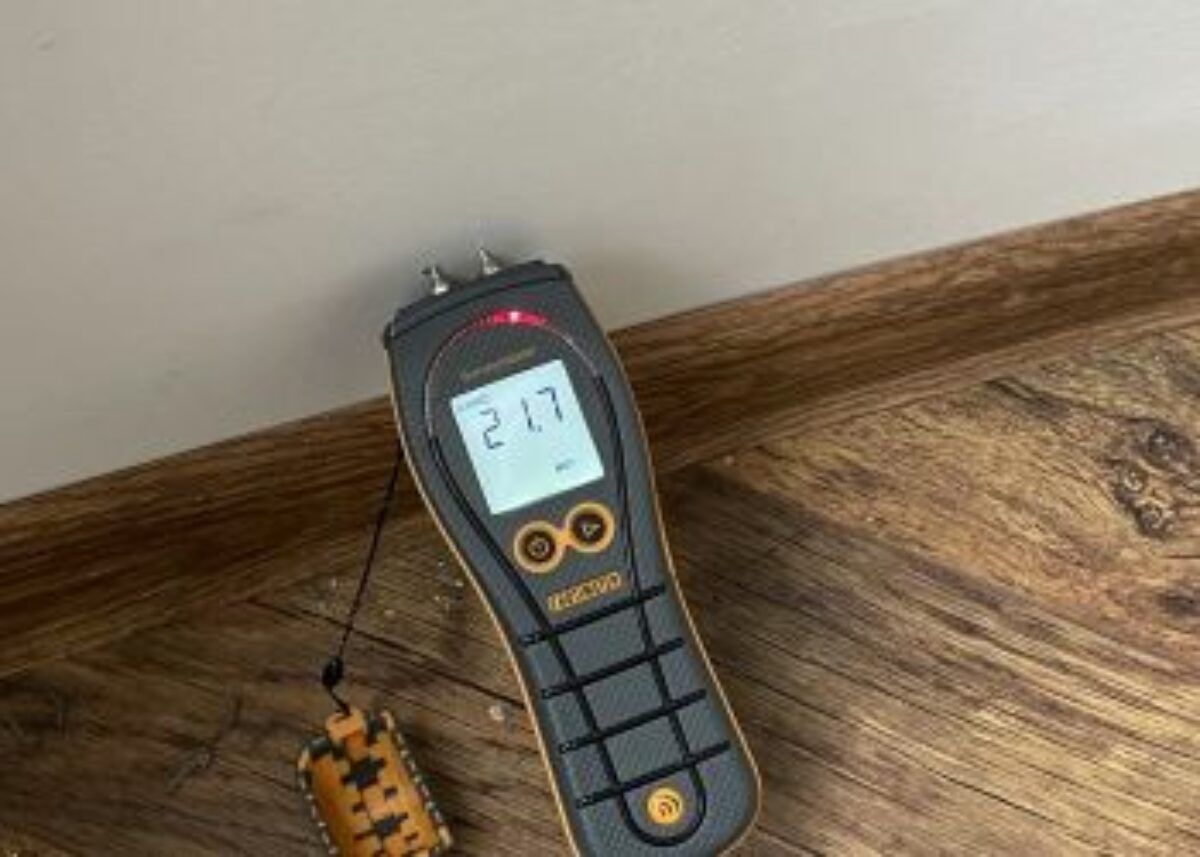
- Damp and timber assessment with understanding of breathable construction
- Condition and repair needs of all original features: fireplaces, cornicing, panelling, shutters
- Roof structure and coverings – including specialist materials
- Windows – original glazing, sash mechanisms, draughts, and repair needs
- Services – often upgraded but sometimes original and hazardous
- Grounds and outbuildings forming part of the listing
- Advice on appropriate repair specifications and materials
- Implications for planning, listed building consent, and conservation area requirements
Listed Building Consent: What You Need to Know
Listed Building Consent (LBC) is a statutory consent required from the local planning authority before carrying out any works that affect the character of a listed building, internally or externally. This is in addition to standard planning permission and applies to virtually any alteration – not just structural works.
Works requiring LBC typically include:
- Any alteration to the external appearance (windows, doors, render, roof)
- Internal alterations affecting original features (removing walls, fireplaces, cornicing)
- Extension or addition to the building
- New openings or blocking up of existing openings
- Changes to original flooring
- In some cases, even repainting the exterior in a different colour
Important Legal Warning
Carrying out works to a listed building without obtaining listed building consent is a criminal offence under the Planning (Listed Buildings and Conservation Areas) Act 1990. There is no time limit on prosecution and the obligation to restore unauthorised works runs with the land – meaning a new owner inherits the legal liability for previous owners' breaches. This is why it is essential to identify any unauthorised alterations before you buy.
Checking for Unauthorised Alterations
Before buying a listed building, your conveyancer should check the local planning authority's records for all listed building consent applications. Your surveyor should also visually identify any alterations that appear to have been carried out to the original fabric without consent.
Common unauthorised alterations found by Esher Surveyors include:
- uPVC replacement windows installed without consent
- Removal of original fireplaces and chimneybreasts
- Repointing with cement mortar
- Replacement of original clay peg tiles with modern concrete tiles
- Extension or outbuildings added without consent
- Internal walls and partitions removed or added
Where unauthorised alterations are identified, you should seek clarification from the local planning authority, obtain retrospective consent if possible, and take appropriate indemnity insurance. Esher Surveyors can help you navigate this process.
Insurance for Listed Buildings
Standard home insurance policies are often not adequate for listed buildings. You should seek specialist listed building insurance that provides:
- Full reinstatement cover based on specialist reconstruction costs (not standard rebuild rates)
- Cover for like-for-like repair using traditional materials and techniques
- Cover for specialist labour (stonemasons, lime plasterers, heritage window restorers)
- Accidental damage to original features
A Reinstatement Cost Assessment by Esher Surveyors will calculate the true specialist rebuild cost of your listed building, ensuring you are neither under- nor over-insured.
Costs of Owning a Listed Building in Surrey
Maintenance costs for listed buildings are typically higher than for comparable unlisted properties. Key cost factors include:
- Specialist tradespeople – lime plasterers, heritage joiners, lead roof specialists command premium rates
- Traditional materials – handmade clay tiles, hydraulic lime, period-matching brickwork
- Planning and consent application costs – architect and planning consultant fees
- Longer lead times for specialist repairs and materials
- Higher insurance premiums
However, listed buildings in prime Surrey locations also tend to hold and grow their value well over time. Many buyers find the investment worthwhile for the exceptional character, quality of construction, and long-term appreciation that the finest heritage properties offer.
"The survey from Esher Surveyors on our Grade II listed farmhouse was the most thorough document we had ever seen. It flagged unauthorised windows that the previous owners had installed – we were able to get retrospective consent before completion. Invaluable."
Frequently Asked Questions
Yes. A Level 2 HomeBuyer Survey is not suitable for listed buildings. You need a Level 3 Building Survey from a surveyor experienced in heritage and historic construction. The survey must address original materials, construction methods, condition of listed features, and any unauthorised alterations.
Listed building consent is statutory planning permission required for any works affecting the character of a listed building. This applies to virtually all alterations, internally and externally. Carrying out unauthorised works is a criminal offence with no time limit on prosecution.
Generally yes. Specialist tradespeople, traditional materials, and planning consent processes all add cost. However, listed buildings in prime Surrey locations typically hold and grow their value well, and many owners value the exceptional character that comes with ownership.
Yes, many mainstream and specialist lenders offer mortgages on listed buildings. However, lenders may require specific conditions to be met regarding structural condition, and will require evidence that the property can be adequately insured. A RICS valuation from Esher Surveyors will support your mortgage application.
The liability transfers to you on purchase. You can seek retrospective listed building consent, obtain planning indemnity insurance, or require the seller to resolve the issue before completion. A Level 3 survey by Esher Surveyors will identify any suspect alterations so you can take appropriate action before you are legally committed.
Yes. Listing covers the entire building – interior and exterior – including all fixed historic features, garden walls, and outbuildings that are physically attached to or within the curtilage of the listed building. Interior alterations require listed building consent just as much as external works.
Buying a Listed Building in Surrey?
Esher Surveyors has specialist experience in heritage and listed building surveys. Protect your investment with a thorough, expert assessment.
Book a Listed Building Survey Our Building Survey Service